What is Lunéville embroidery? A short history of the hook
Lunéville embroidery is couture beading worked with a fine hook instead of a needle. The fabric, usually silk organza or tulle, is stretched on a frame and stitched from the back in a tiny chain stitch, while beads and sequins are fed in from underneath one at a time. It has been the secret behind haute couture sparkle since the 19th century, and it is still how the great Paris ateliers work today.
How does it work?
You hold the hook above the frame and push it through the fabric. Below, your other hand wraps the thread around the tip, and the hook pulls up a loop. Loop by loop, a chain forms on top. To add sparkle, the beads sit on a thread underneath and you slide one up against the fabric before each stitch. The pattern is drawn on the wrong side, so you work by feel and only see the finished front when you turn the frame over.

Where did the hook come from?
Long before France, Indian embroiderers were making chain stitch with a hooked awl, a craft known as Aari, and Mughal workshops covered floorspreads and hangings with it by the 16th century. The technique travelled through Persia and reached Europe in the 1700s, where it was worked on a round frame shaped like a drum. That is why the French called it tambour embroidery.

Why Lunéville?
Tambour work became the fashionable pastime of elegant ladies, Madame de Pompadour among them, painted at her frame in 1763. Around 1810 the town of Lunéville in Lorraine, once home to the dukes and their "Versailles of Lorraine", turned it into an industry. Local workshops embroidered white cotton thread on machine-made tulle so finely that it looked like lace, and Point de Lunéville was sold across Europe at a fraction of the price of handmade lace.

Who added the beads?
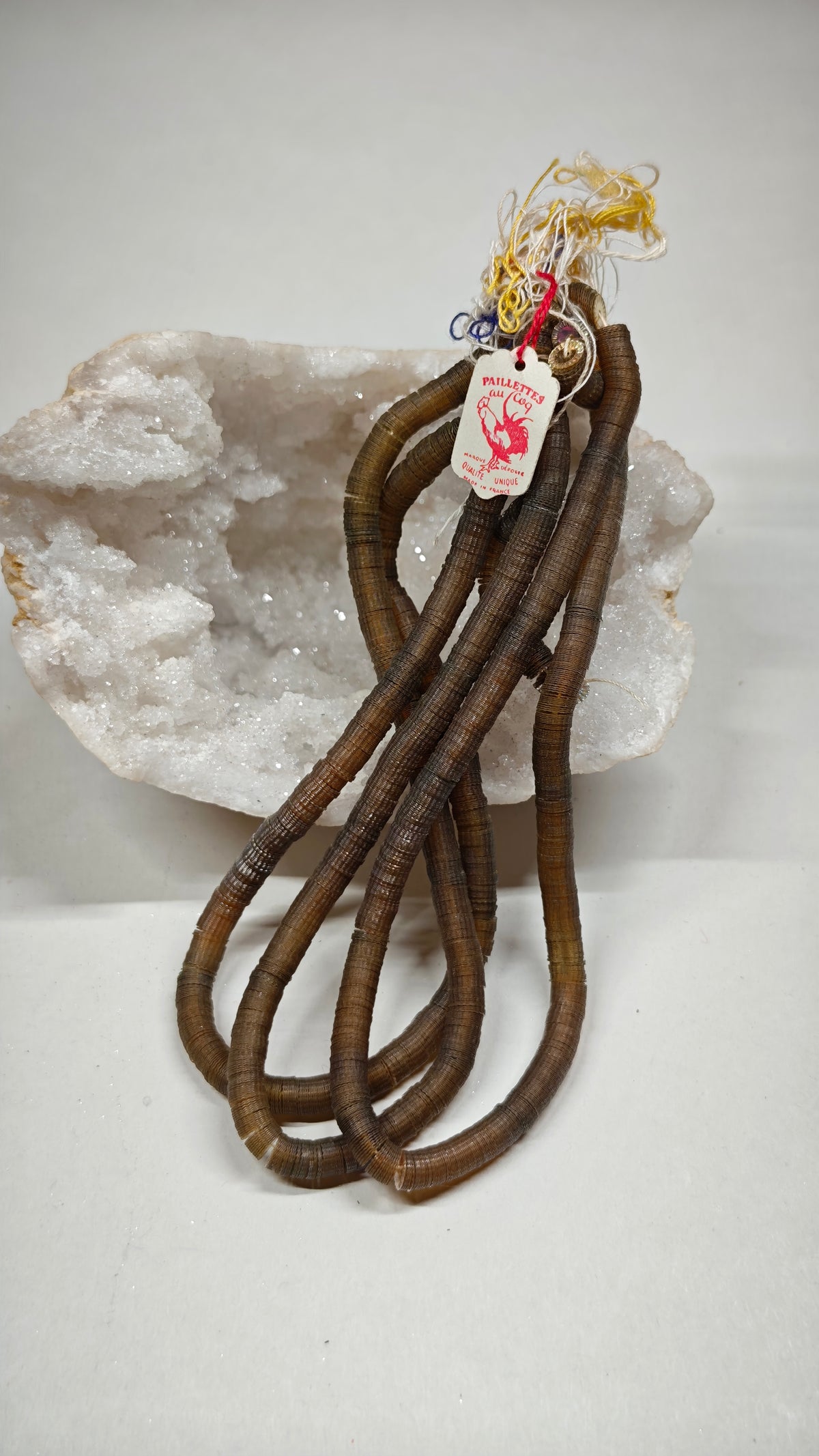
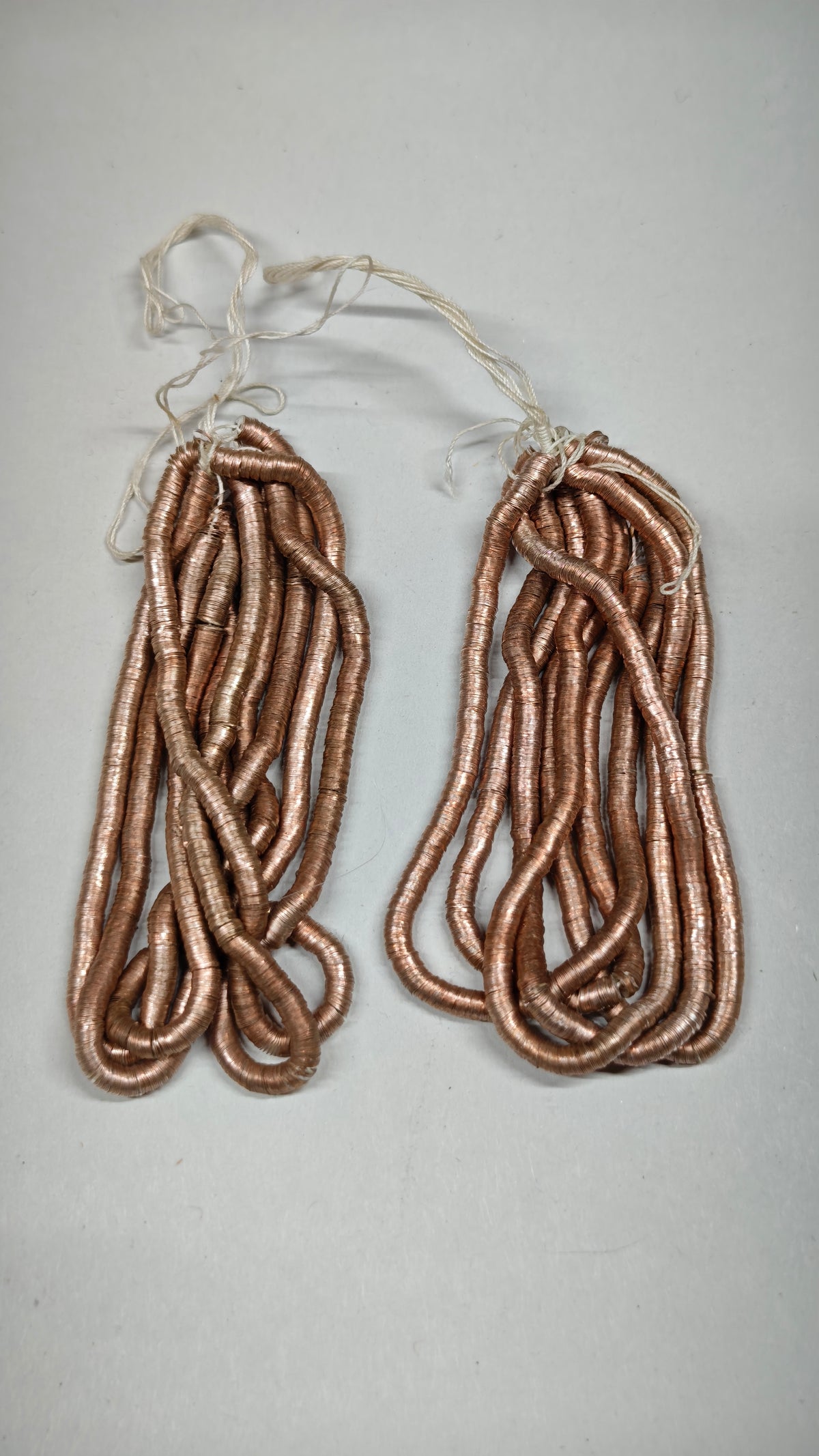
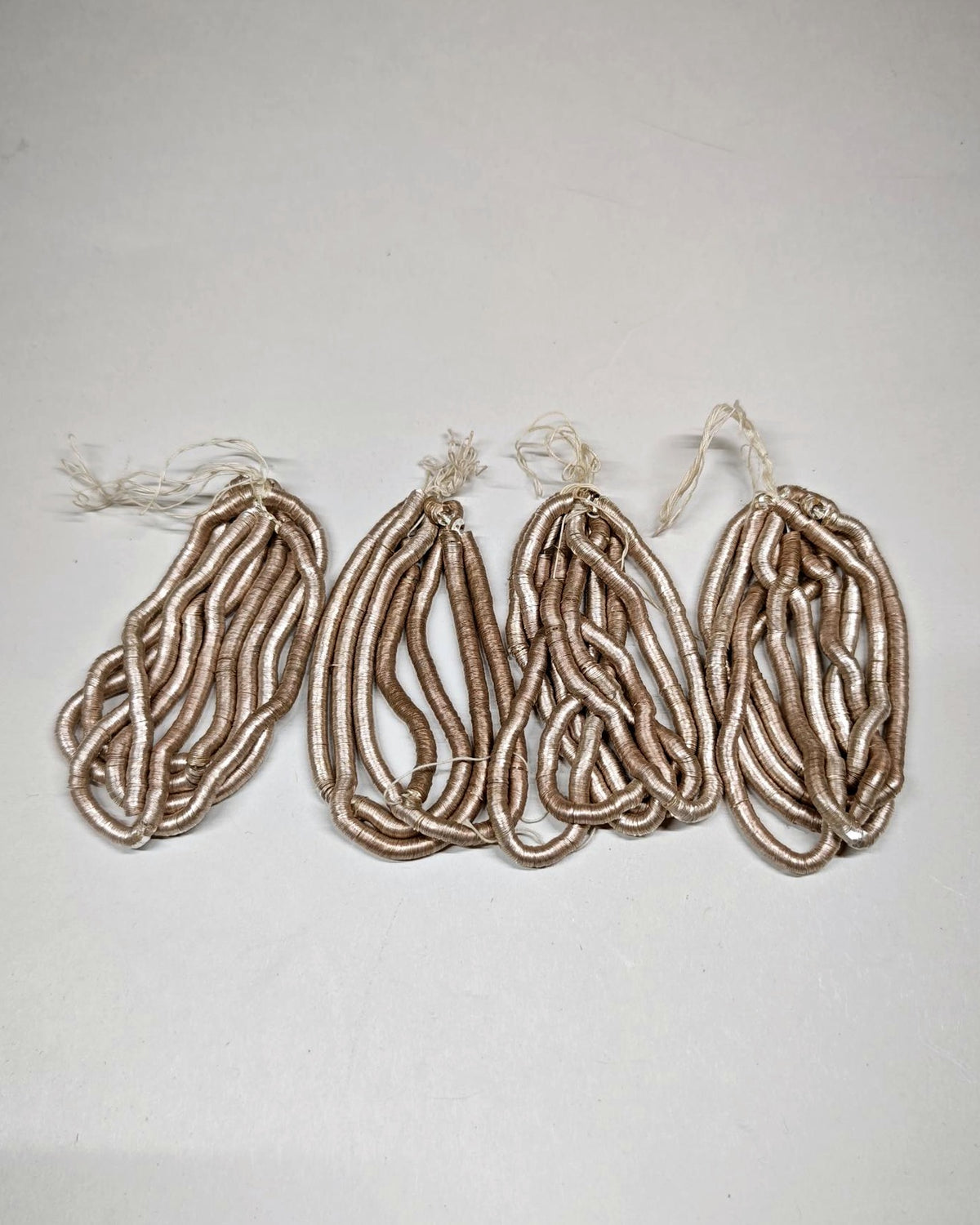
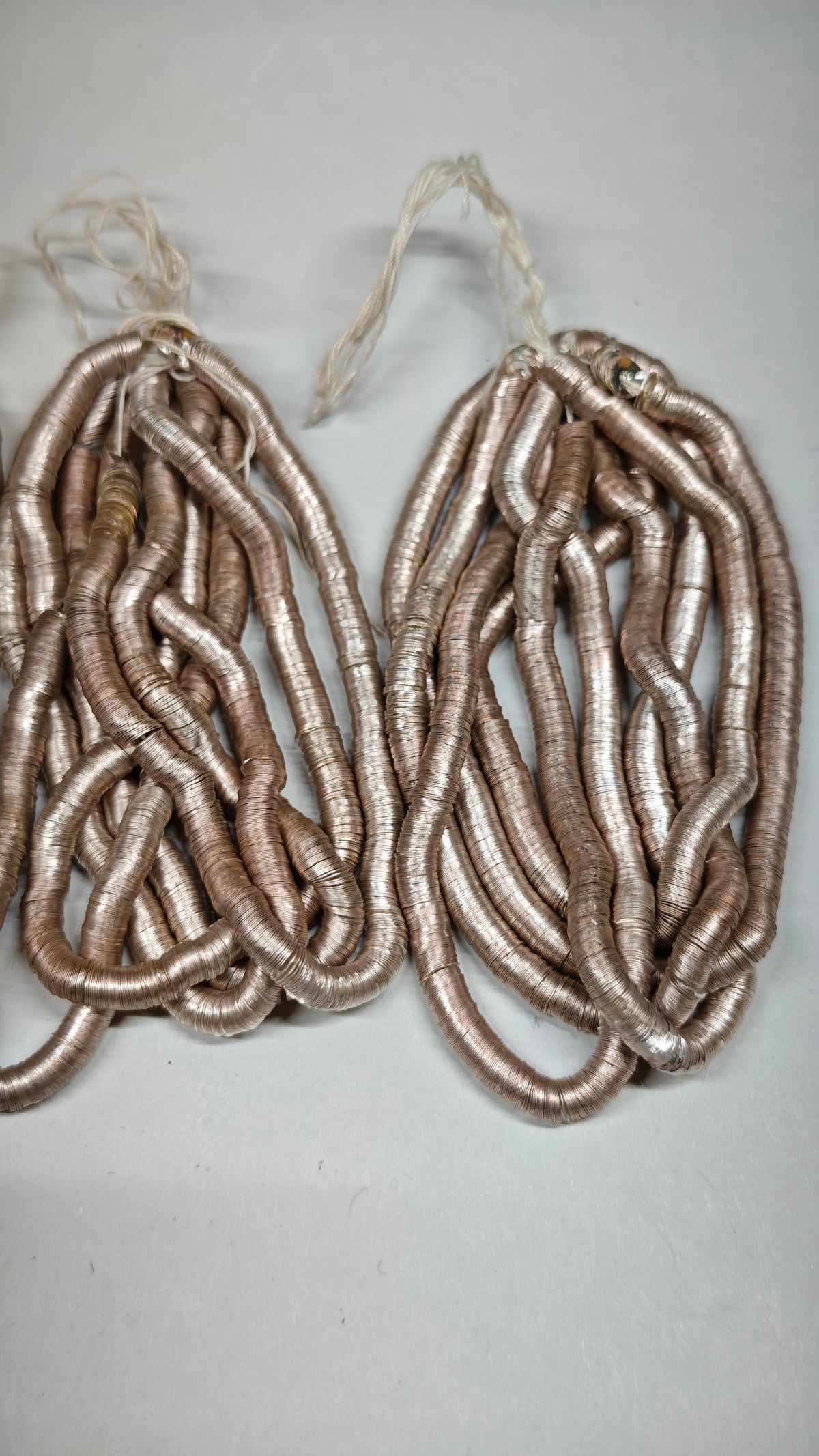
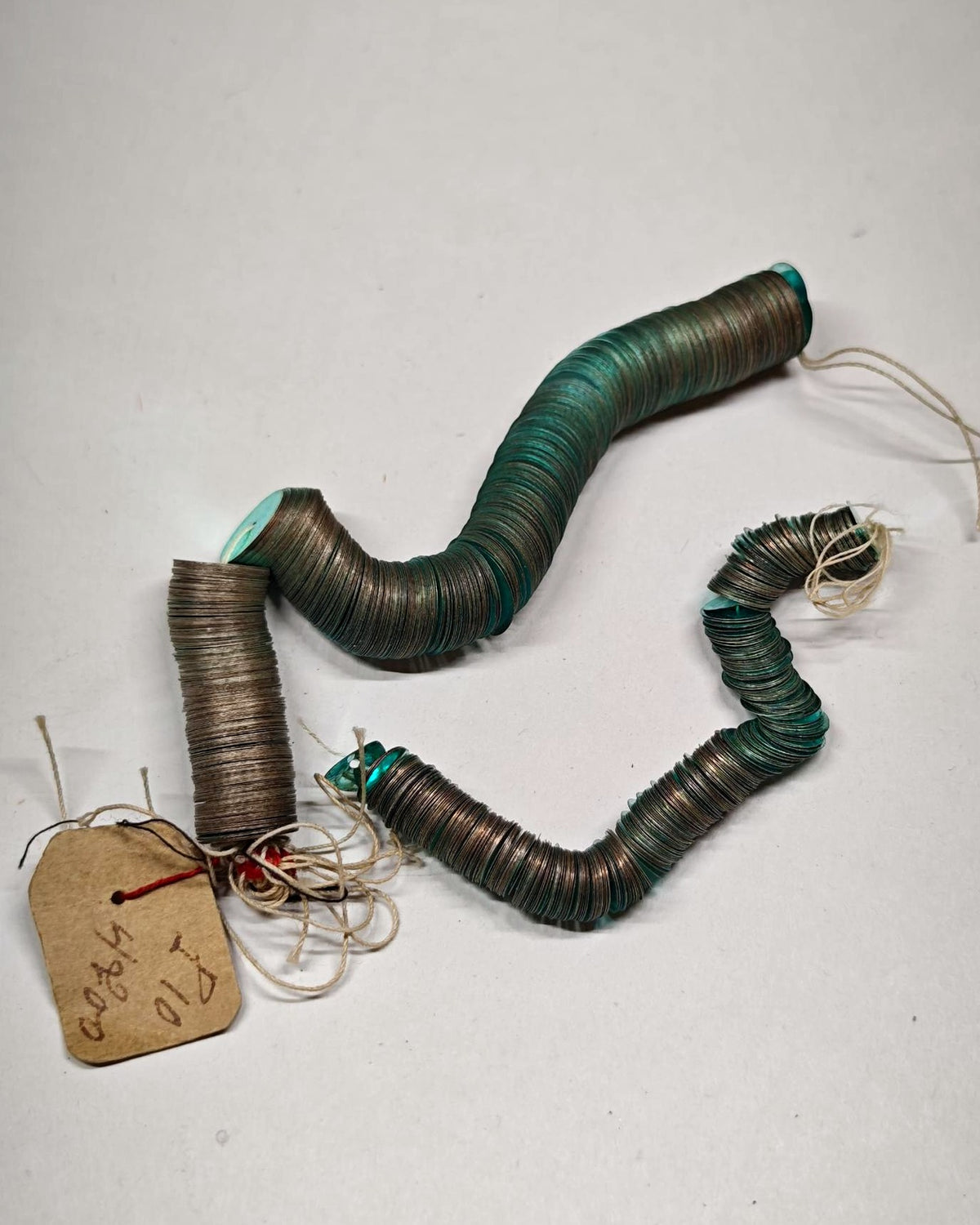
In 1865 a Lunéville embroiderer, Louis Ferry-Bonnechaux, had the idea that changed couture: thread the beads first, then feed them up through the fabric with every stitch. Beads and sequins began to be sold pre-strung on long threads called hanks, ready for the hook, and they still are today. What took hours with a needle now took minutes.

What happened in the 1920s?
The Jazz Age was the golden moment of the hook. Straight, sleeveless dresses were covered from neckline to hem in beads and tubes that swung and flashed on the dance floor. Paris ateliers were busy day and night, many of them staffed by Russian émigrée embroiderers who had arrived after 1917, and the 1925 Exposition des Arts Décoratifs showed this shimmering work to the world.

Is it still used today?
Yes, and at the very top of fashion. From the 1950s Dior, Chanel and the other great houses relied on specialist embroidery ateliers such as Lesage and Montex, and the hook has hardly changed since. In Lunéville itself, the Conservatoire des Broderies inside the château keeps the craft alive and teaches it to a new generation.

Lunéville, tambour, Aari or needle beading?
Lunéville is the French name for hook embroidery on a straight frame, usually with beads and sequins on sheer fabric. Tambour is the same chain stitch, named after the old drum-shaped frame. Aari is its Indian ancestor, worked with a hooked awl, and Indian workshops still use it today for rich beading and sequin work. Needle beading sews each bead on separately, which is slower but useful for single stones and fine details.
Can I learn it at home?
You can, and you don't need any experience: here is how to learn Lunéville embroidery at home. Our Atelier Box has everything for your first chain stitch: the hook, a frame, silk organza, pre-strung beads and sequins, an online course and personal support from our London atelier. If you love the history, take a look at our Norman Hartnell archive and collector's pieces too.

Frequently asked questions
What is a Lunéville hook?
A small, very sharp hook set in a wooden or metal holder. Hooks come in sizes such as 70, 80 and 90: finer sizes for delicate thread and organza, larger ones for heavier beads and fabrics.
Is Lunéville the same as tambour embroidery?
The stitch is the same chain stitch. Tambour is the older name from the round frame, while Lunéville usually means the French couture style on a straight frame with beads and sequins.
What fabric do you use?
Sheer fabrics work best, especially silk organza and tulle, because you can see your drawn design through them and the hook passes easily.
Why are the beads sold on threads?
Beads and sequins on hanks can be transferred straight onto your working thread, so you slide one up with each stitch instead of picking them up one by one.
How long does it take to learn?
Most people make their first neat chain within an afternoon. Even tension and smooth beading come with a few weeks of practice.
Have you ever seen a Lunéville piece up close, or tried the hook yourself? Tell us on Instagram at @embroideress_couture.