The Initiation Box 2.0 - Pre-Order


The Initiation Box 2.0 - Pre-Order
Hurry, only 10 items left in stock!
An updated edition of the iconic Initiation Box.
This refined kit still includes the full Lunéville embroidery essentials: silk organza, Lunéville hook, easy-clip mini frame (9x9 inches), cotton tapes, table clamp, needles, pliers, heat erasable pen, professional threads, beads, crystals, sequins, and step-by-step guidance.
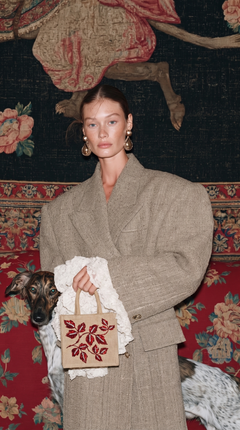
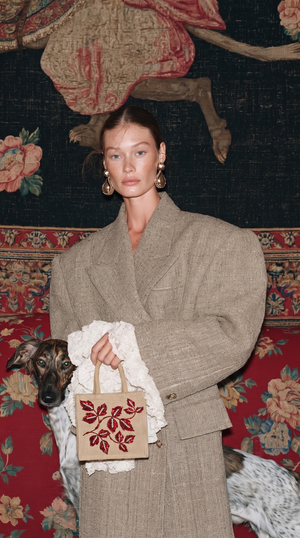
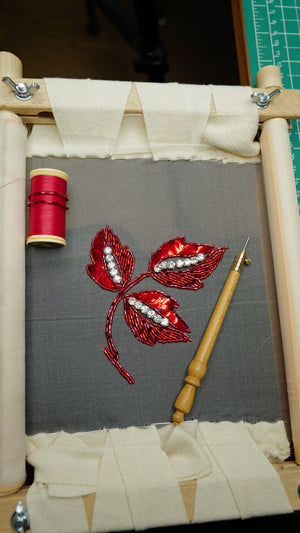
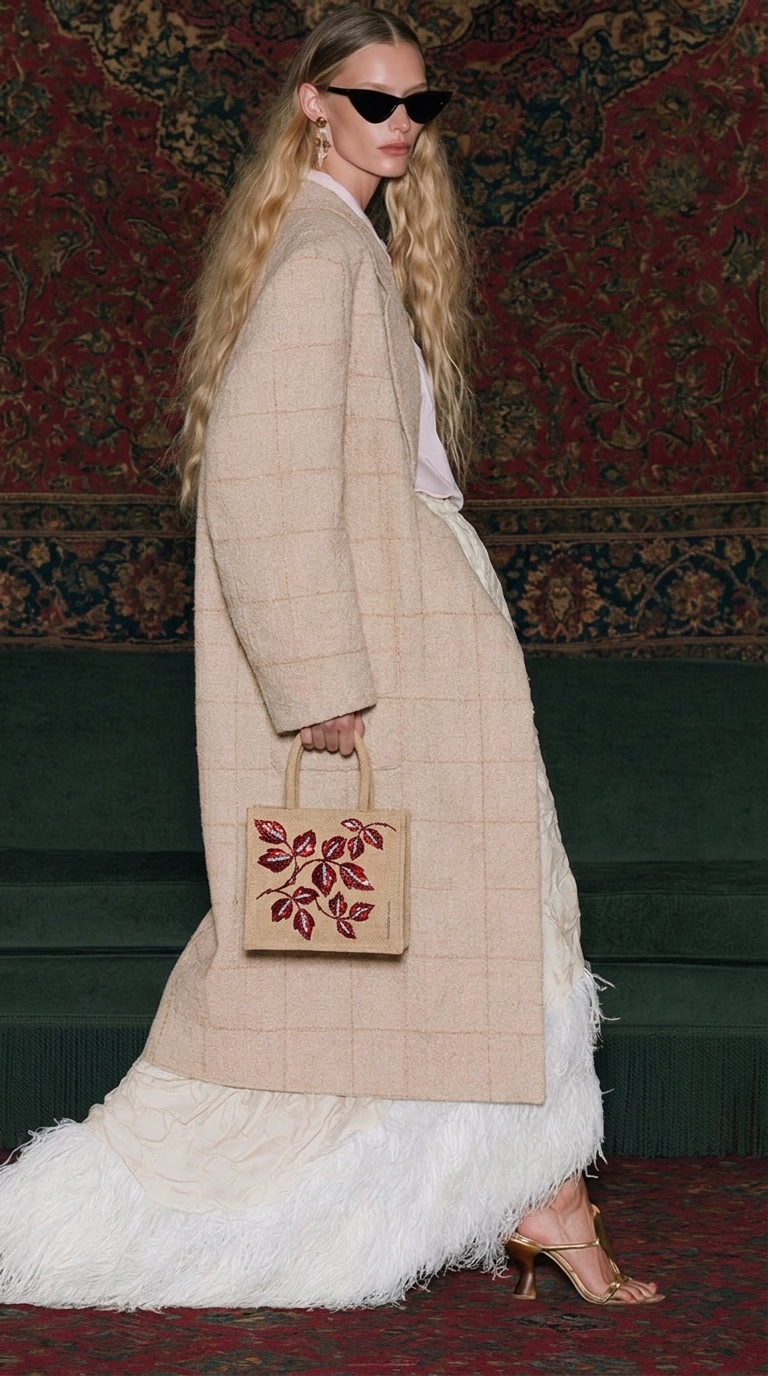
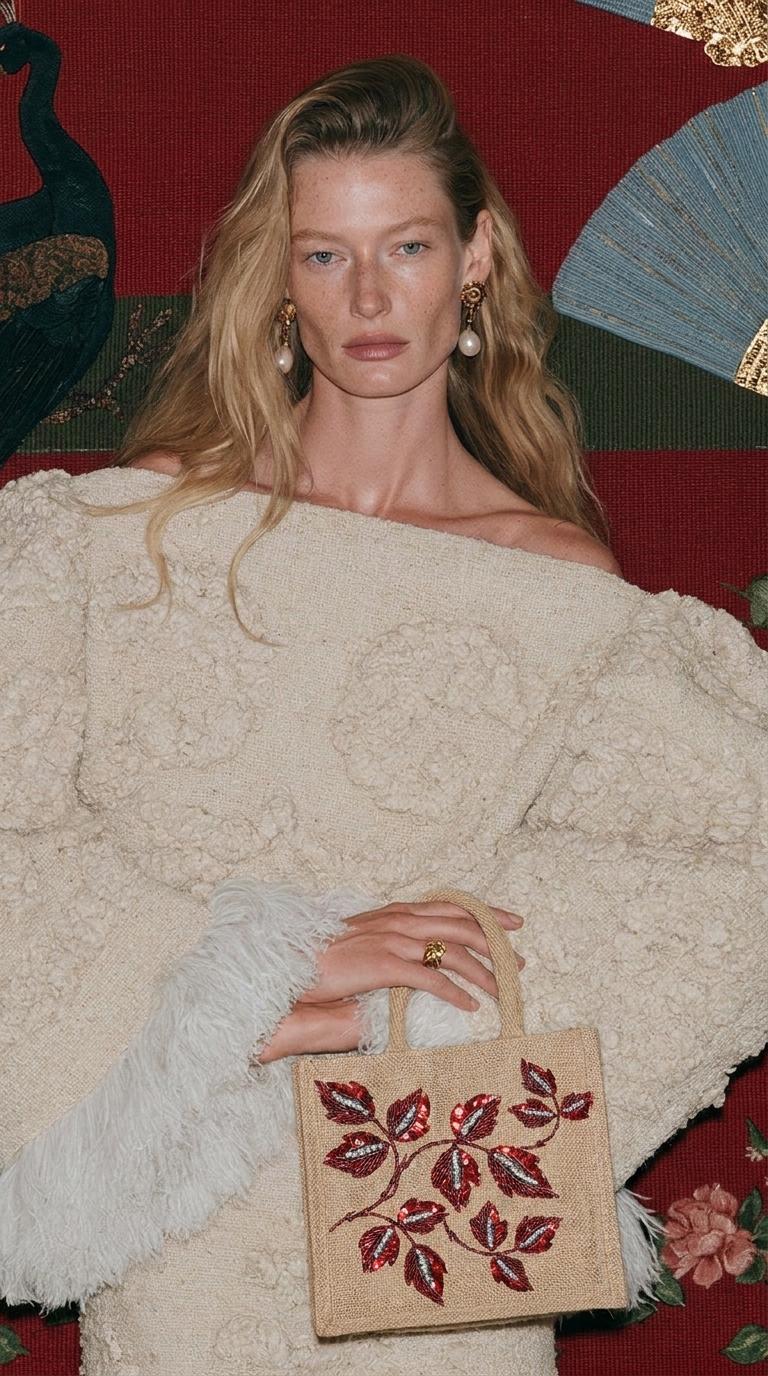
In this edition you’ll be creating a sampler of a little red leaf motif. You’ll also receive a jute bag and enough materials to embroider it and recreate the full pattern, as shown on the model.
Perfect for complete beginners — no prior experience needed. You’ll receive instructional videos and WhatsApp support from the teacher, so you’re never stitching alone. Everything you need to begin your couture embroidery journey, curated in one box.
Shipping date: from 16 August 2026
FAQs
You have questions, we have answers.
What is inside?
Everything you need to start – and finish – your first haute couture–inspired embroidery sample, in one box:
- Jute bag 22x19x12cm
- Premium silk organza
- Lunéville hook with professional needle no.70
- Easy Clip wooden embroidery frame 9 x 9 inches
- Cotton tapes for framing
- Table clamp, so you can work with both hands
- Professional Fil à Gant threads
- Pre‑strung beads (1 hank)
- French sequins
- Swarovski crystals
- Printed design
- Heat‑erasable pen
- Pins
- Access to detailed video instructions
- WhatsApp support from the teacher
- Luxury keepsake box with tissue wrapping
No extra tools to buy. No guessing. Simply open the box and begin your embroidery journey.
Who is it for?
The Initiation Box is for anyone who loves the idea of Lunéville embroidery but doesn’t want to guess about fabrics, threads, or tools. It’s especially suited to those who feel confused by conflicting tutorials online, or who have already tried to start and struggled. If you’d like one calm, carefully designed way to begin—with beautiful materials and gentle support—this box was created for you.
This box is made for you if:
- You’ve admired couture embroidery and want to try the real technique
- You want everything in one place so you can see if this craft is for you
- You feel overwhelmed or confused by contradictory advice on YouTube
- You have already tried to start on your own—with the wrong fabric, the wrong needle, or unclear tutorials—and ended up frustrated instead of relaxed
- You prefer to work with beautiful, well-chosen materials instead of guessing what to buy and hoping it will work
- You’d love the reassurance of WhatsApp support from the teacher, so you can ask quick questions whenever they come up
- These boxes are designed as a personal ritual of unwinding. You open the box, set aside your phone, and spend 20–40 minutes in the quiet rhythm of stitching — the same gesture, again and again, watching a small design slowly appear. It is less about perfection and more about breathing, slowing down and enjoying the process.
Which techniques are included?
In this box you’ll learn the essential foundations of Lunéville embroidery:
- How to create and attach appliqué
- How to set up your frame
- Basic chain stitch with the Lunéville hook
- How to start and finish your thread neatly
- Applying beads using the hook
- Applying sequins using the hook
- Working clean corners
- Pulled stitch
- How to set crystals into their settings
These are the core movements you need to feel confident with the technique and ready to progress to more advanced haute couture pieces.
Will there be more boxes in the future?
Yes. There will be more boxes, but new editions.
FAQs
More question
What is Luneville embroidery?
Lunéville embroidery is a hook-based beading and stitching technique used in haute couture to create very fine, fluid embroidery, often enriched with beads and sequins. The chain stitch — the only stitch used — is formed with a specialized hook that has a sharp needle-like tip attached to a wooden or ivory handle with metal components and a clamping screw for precise positioning. A characteristic feature of the method is that the embroiderer works from the reverse side of the fabric while feeding beads and sequins from underneath, so that only neat rows of chain stitches are visible on the front.
Hook vs Needle
Once you’re fluent, the hook allows much faster application of beads and sequins than needle methods, with long, uninterrupted lines and very fluid curves - one reason it’s so used in haute couture.
Lunéville: excellent for large surfaces of couture beading — gowns, bodices, veils — where speed, lightness and fluidity are critical.
Needle: better when you want mixed stitch textures, more relief, or very pictorial / illustrative work, but tends to be slower for dense beading.
Taxes and duties
Taxes and any applicable import duties are not included in the product price. They may be charged by your country’s customs or tax authority upon delivery and are the responsibility of the customer.

Origins and Early Development
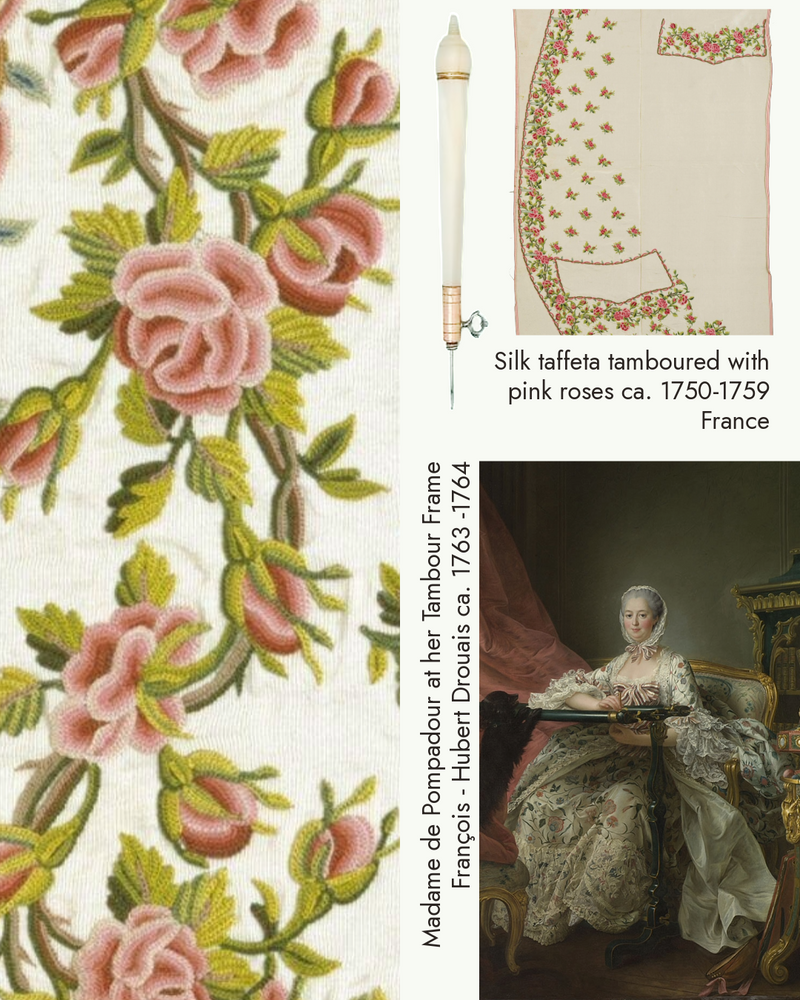
France

The Lunéville Stitch
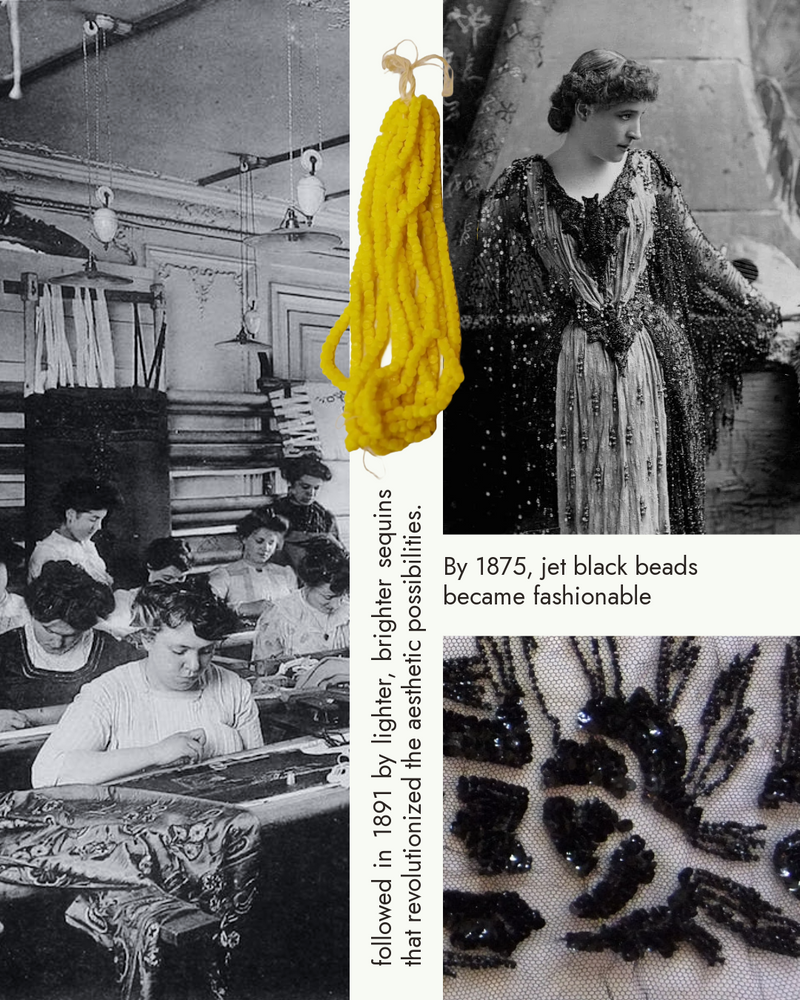
Revolutionary Innovation